Breaker trips, flickering lights, and a hot breaker box are your electrical panel's way of asking for help. Here are the signs you need an electrical panel upgrade (don't ignore these), so you can call a licensed electrician before a small warning becomes a real hazard. Our Residential Electrical Services team handles panel upgrades across Kansas City.
By Veteran Electric Team, KC Licensed Electricians
Your Breaker Trips More Than Once a Month
Your electrical panel is the core of your home electrical system, and it needs to keep pace with how much power your house actually uses. A breaker that trips every so often after a storm is normal. A breaker that trips every time you run the microwave and the space heater at the same time is not. When breaker trips become a weekly habit, your panel is telling you the circuit load it was built to handle no longer matches how the house is actually used today. Older homes across Kansas City were often wired with 100 amp panels sized for a handful of lights, a refrigerator, and maybe a window unit. Add central air, a home office full of electronics, a second refrigerator in the garage, and a few smart home devices, and that same panel is working far past its comfort zone. None of these additions happened all at once, which is exactly why the strain on an aging panel can sneak up on a homeowner instead of announcing itself clearly.
A breaker tripping is actually doing its job, it cuts power before a circuit overheats. The problem is not the breaker itself, it is what the constant tripping reveals about the panel behind it. If you are resetting the same breaker two or three times a week, that is not a breaker problem you fix one switch at a time. That is a load problem that only a panel upgrade solves. A modern 150 or 200 amp panel with updated breaker technology gives every circuit the headroom it needs instead of forcing them to compete for the same limited capacity. Summer AC use pushes older panels past their limit faster than any other season, adding exactly the kind of load that turns an occasional trip into a weekly one. Our summer electrical safety guide breaks down how to spot that strain before it becomes a bigger problem.
Flickering or Dimming Lights Every Time an Appliance Kicks On
Flickering lights when the AC compressor kicks on, when the dishwasher starts its cycle, or when someone turns on a hair dryer down the hall are one of the most common signs you need an electrical panel upgrade. Flickering dimming lights across multiple rooms at once usually point to a shared circuit or a panel that cannot deliver steady power under a sudden load spike. A single flickering bulb might just be a loose connection. Lights dimming house wide every time a large appliance cycles on is a different story, and it tends to get worse, not better, on its own.
This matters more than it looks. A panel that cannot hold steady voltage under load is also a panel running its internal components hotter than it should. Over time that heat wears down breakers, bus bars, and wiring connections, which shortens the life of the entire panel rather than just the one circuit acting up. Modern panels also pair with arc fault and ground fault breakers that older equipment simply cannot support, which is another layer of protection homeowners lose out on by staying on an aging system. Between inspections, it's worth keeping an eye out for other everyday warning signs too: discolored outlets, warm switch plates, or a faint buzzing sound near the panel. Catching those early gives an electrician more room to fix the underlying issue before it turns into an emergency call.
Planning an Addition or EV Charger? These Are Signs You Need an Electrical Panel Upgrade (Don't Ignore These)
If you are adding a home office, a workshop, a hot tub, or an EV charger, the panel upgrade conversation should happen before the new circuit does, not after. Most panels installed before the early 2000s were sized at 100 amps. A modern home with central air, an electric range, a few smart devices, and an EV charger comfortably needs 200 amps of capacity. Adding a large new load to an already maxed out breaker box is one of the clearest signs you need an electrical panel upgrade (don't ignore these), even if nothing has failed yet.
This is also the moment homeowners most often try to skip a proper panel upgrade and add an EV charger circuit as an afterthought. Every home's load calculation is different, which is why a custom electrical panel upgrade plan matters more than a one size fits all swap. A licensed electrician can check your panel's actual available capacity and help you choose the correct panel size for your home's electrical load in about the time it takes to review the panel schedule. Our team also pulls the necessary permits and schedules the city inspection as part of the job, so nothing gets left half finished for you to sort out later. If there is not enough headroom, a panel upgrade is not optional, it is what keeps a new EV charger or hot tub from tripping breakers the first week it is installed.
Your Home Still Runs on a Fuse Box or an Outdated Panel Brand
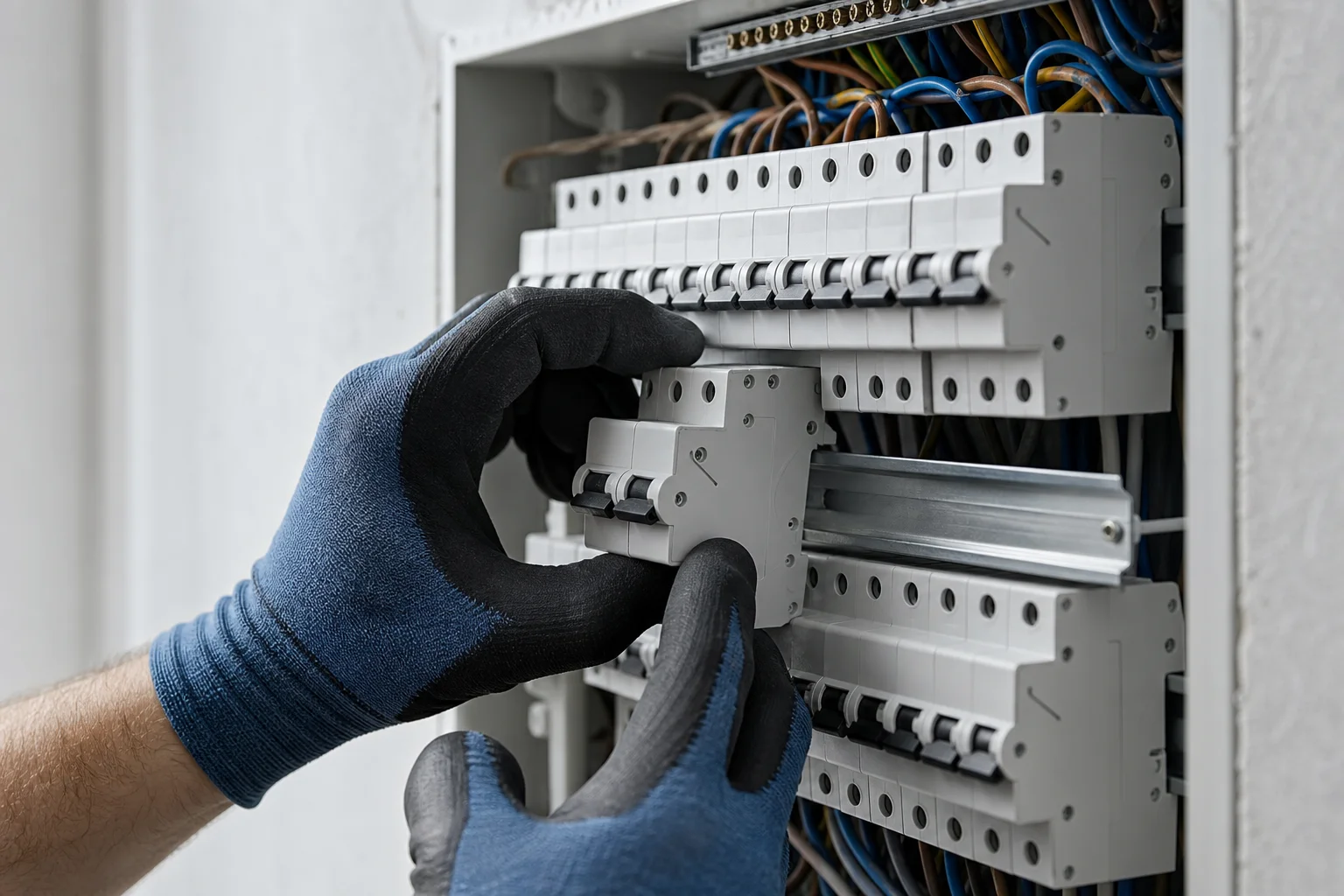
Screw in fuse panels have not been installed in new construction for decades, and if your home still has one, that alone is reason enough to plan a panel upgrade. Fuse boxes cannot support modern amperage needs, and replacement fuses are increasingly hard to find at the correct rating, which pushes some homeowners toward oversized fuses that no longer protect the circuit the way they should. Oversizing a fuse to stop it from blowing defeats the entire purpose of the fuse, and it is one of the more dangerous habits an older home can develop over the years.
Homeowners often assume all electrical panels are built the same way, but capacity, brand, and age all matter. Certain panel brands from the 1960s through the 1980s, including Federal Pacific Electric and Zinsco, are widely known within the electrical trade for breakers that fail to trip during an overload. The Consumer Product Safety Commission has documented safety concerns tied to some of these older panel designs. Most electrical panels are built to last a few decades, not a lifetime, and a panel pushing 30 or 40 years old is worth a professional look even without an obvious symptom. If your breaker box carries one of these brand names, a panel upgrade is a safety decision, not a preference. Knob and tube wiring is another outdated system worth checking for during the same inspection, since homes old enough for one issue are often old enough for the other. Our knob and tube wiring guide covers the telltale signs worth watching for.
Warm Panels, Burning Smells, or Visible Rust and Corrosion
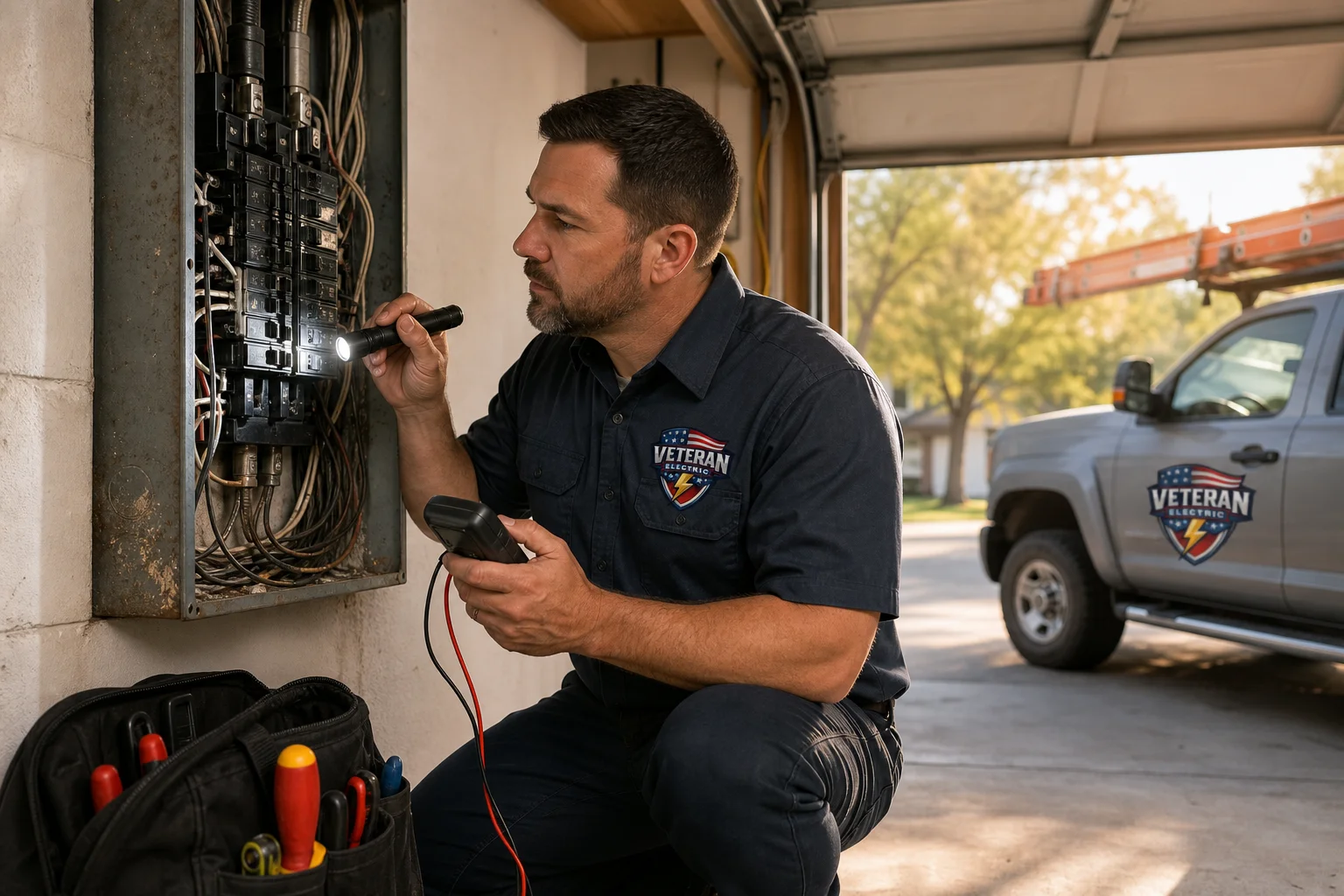
Open your breaker box and check for warmth around the panel cover, a faint burning or plastic smell, rust along the metal enclosure, or scorch marks near individual breakers. Any one of these is reason enough to stop resetting breakers and call a professional electrician the same day. The National Fire Protection Association has long identified electrical panel failures as a leading cause of home electrical fires, and warning signs like heat and discoloration typically show up well before a full failure.
Corrosion is common in panels located in garages, basements, or crawl spaces with humidity swings, and it slowly wears away at the connections that keep breakers seated properly. A licensed electrician can also use a thermal imaging camera during an inspection to spot hot connections inside the panel long before they become visible or smell like anything at all. A panel in this condition is not a wait and see situation, and pretending otherwise only raises the stakes the longer it goes unaddressed. If you notice any of these signs, our Emergency Electrical Services team can inspect the panel and safely shut down the affected circuit until a full panel upgrade can be scheduled.
Frequently Asked Questions
How do I know if my electrical panel needs an upgrade?
The clearest signs you need an electrical panel upgrade include breaker trips more than once a month, flickering lights when large appliances start, a warm or humming breaker box, a fuse panel instead of breakers, or visible rust and scorch marks. If you notice more than one of these together, it is time to schedule a professional inspection instead of waiting for a full failure to force the decision for you and your family.
Is a 100 amp panel too small for a modern home?
Not always, but it depends on your home's actual electrical load. A 100 amp panel can struggle once you add central air, an EV charger, a home office, and modern appliances all drawing power at once. A licensed electrician can run a load calculation and tell you plainly whether 150 or 200 amps fits your home better than the panel you have now, before you spend money guessing.
How much does an electrical panel upgrade cost?
Cost depends on your panel's current amperage, your home's wiring, and local permit requirements, so there is no single number that fits every house. The best way to get an accurate figure is a free, no obligation inspection where we check your panel size and electrical system in person before recommending anything or writing up a quote for the work.
Can I just replace one breaker instead of upgrading the whole panel?
Sometimes a single faulty breaker is all that needs replacing. But if the panel itself is undersized, outdated, or from a brand with known reliability issues, replacing one breaker only delays the real fix. A professional inspection will tell you whether a simple breaker swap or a full panel upgrade is the right call for your home and your budget.
Is a warm breaker box dangerous?
Yes. A warm or hot panel cover usually means loose connections, overloaded circuits, or breakers working harder than they should. This is one of the more urgent signs you need an electrical panel upgrade, and it should not wait for a convenient afternoon. Turn off nonessential circuits if possible and call an electrician the same day.
Schedule Your Electrical Panel Upgrade Inspection
If any of these signs sound familiar, do not wait for a breaker to fail at the worst possible time. Our licensed, veteran owned team offers free panel inspections across Kansas City, so you can learn exactly what your home needs before anything fails on its own schedule instead of yours. Contact us today to get a clear, honest answer about your electrical panel.


