
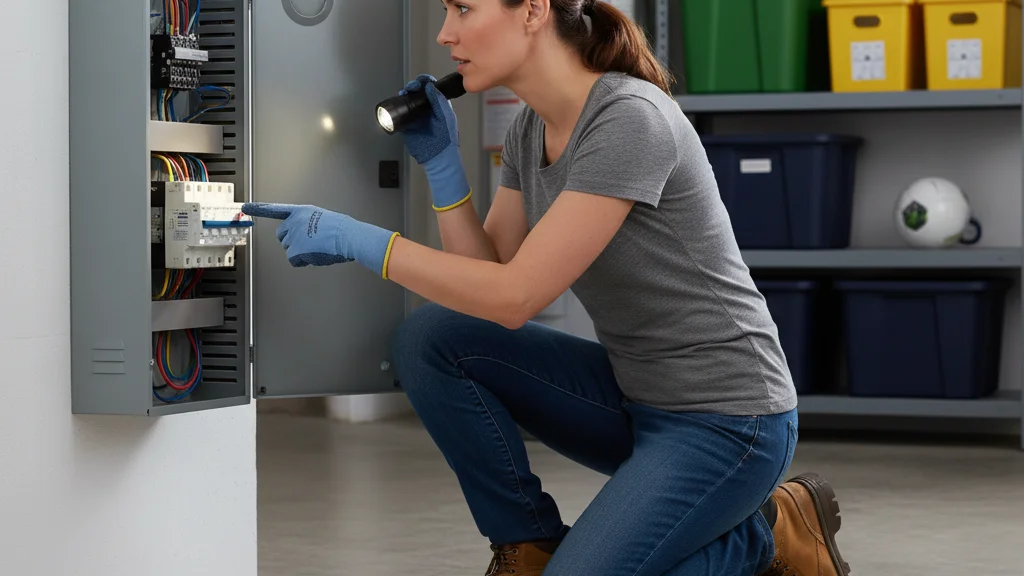
If you have ever found yourself resetting the same circuit breaker over and over, you already know how frustrating it can be. The question "why does my breaker keep tripping" is one of the most common electrical concerns homeowners face, and the answer is not always simple. A breaker that trips occasionally is doing its job. A breaker that trips repeatedly is telling you something is wrong, and ignoring it can lead to damaged appliances, electrical fires, or worse. This guide walks you through the most common causes, what you can safely check yourself, and when it is time to call a licensed electrician.
How a Circuit Breaker Works
Before diagnosing the problem, it helps to understand what a circuit breaker is supposed to do. Breakers are safety devices. They monitor electrical current flowing through a circuit and automatically shut off power when that current exceeds a safe threshold. This protects your wiring and your home from overheating and fires.
When a breaker trips, it moves to a middle position between "on" and "off." You reset it by switching it fully to "off" first, then back to "on." If it trips again immediately or within minutes, something is causing it to do so.
Common Reasons Your Breaker Keeps Tripping
1. Circuit Overload
The most frequent cause of a tripping breaker is a circuit overload. This happens when too many devices drawing too much power are plugged into the same circuit at the same time. Every circuit in your home is rated for a specific amperage, usually 15 or 20 amps for general living areas. When demand exceeds that rating, the breaker trips.
Common signs of an overloaded circuit include:
- The breaker trips only when multiple appliances are running
- Lights dim when you turn on a large appliance
- The tripping is predictable and tied to specific device combinations
What you can do: Unplug some devices and redistribute them to other circuits. Avoid using power strips to run multiple high-draw appliances from a single outlet.
2. Short Circuit
A short circuit is more serious than an overload. It occurs when a hot wire comes into contact with a neutral wire, causing a sudden surge of current. This can happen inside an outlet, inside a device's power cord, or within the wiring of the home itself.
Signs that a short circuit may be the cause:
- The breaker trips immediately when you flip it back on
- You notice a burning smell near an outlet or appliance
- You see visible scorch marks on an outlet or switch plate
Short circuits should not be treated as a DIY fix. If you suspect a short circuit, stop using that circuit and contact a licensed electrician.
3. Ground Fault
A ground fault is similar to a short circuit, but it occurs when a hot wire touches a grounded part of the system, such as a metal outlet box or the ground wire itself. Ground faults are particularly dangerous in wet areas like bathrooms, kitchens, and garages.
Modern homes use GFCI (Ground Fault Circuit Interrupter) outlets and breakers in these locations specifically to detect and interrupt ground faults quickly. If your GFCI outlet or GFCI breaker keeps tripping, test the outlet using its built-in test button. If it trips immediately on reset, the fault likely exists somewhere in the circuit.
4. A Worn or Failing Breaker
Breakers do not last forever. Over time, the internal components wear out, causing the breaker to trip at lower loads than it is rated for, or to trip randomly without an obvious cause. A breaker that is 20 to 30 years old may simply be at the end of its service life.
Signs of a failing breaker:
- The breaker trips with minimal load on the circuit
- The breaker feels warm or hot to the touch
- Resetting does not hold for long
- The breaker will not reset at all
A failing breaker should be replaced by a qualified electrician. Do not attempt to replace a breaker yourself unless you are trained to do so; working inside the panel involves live components that can cause severe injury or death.
5. Arc Fault
Arc faults occur when electricity jumps between conductors or across damaged insulation, generating heat and creating a fire risk. AFCI (Arc Fault Circuit Interrupter) breakers are designed to detect these events and trip before a fire can start.
If you have an AFCI breaker that keeps tripping, the cause could be damaged wiring, a faulty appliance, or even certain older light dimmers and switches that create a normal level of arcing. An electrician can use specialized tools to trace the source of the arc.
6. Wiring Problems in the Home
Loose connections, damaged wire insulation, and improperly installed wiring can all cause a circuit breaker to trip repeatedly. These issues are often hidden inside walls, junction boxes, or the panel itself. This category of problems is one of the most important to take seriously, as faulty wiring is a leading cause of residential electrical fires.
If you have ruled out overloads and the problem persists, hidden wiring issues are a real possibility.
What You Can Safely Check Yourself
There is a short list of things a homeowner can reasonably check without risk:
- Identify the circuit. Your breaker panel should have a legend indicating which breaker controls which area of the home. If it does not, mapping your circuits is a useful project.
- Unplug devices. If the breaker trips under load, start by removing devices from that circuit and adding them back one at a time to identify the culprit.
- Inspect cords and outlets. Look for visible damage, fraying, or discoloration. Do not use damaged cords or outlets.
- Test GFCI outlets. Press the "test" button, then the "reset" button. If the outlet does not restore power, it may need replacement.
- Note the pattern. Does it trip immediately on reset, after a few minutes, or only under heavy load? This information is useful to share with an electrician.
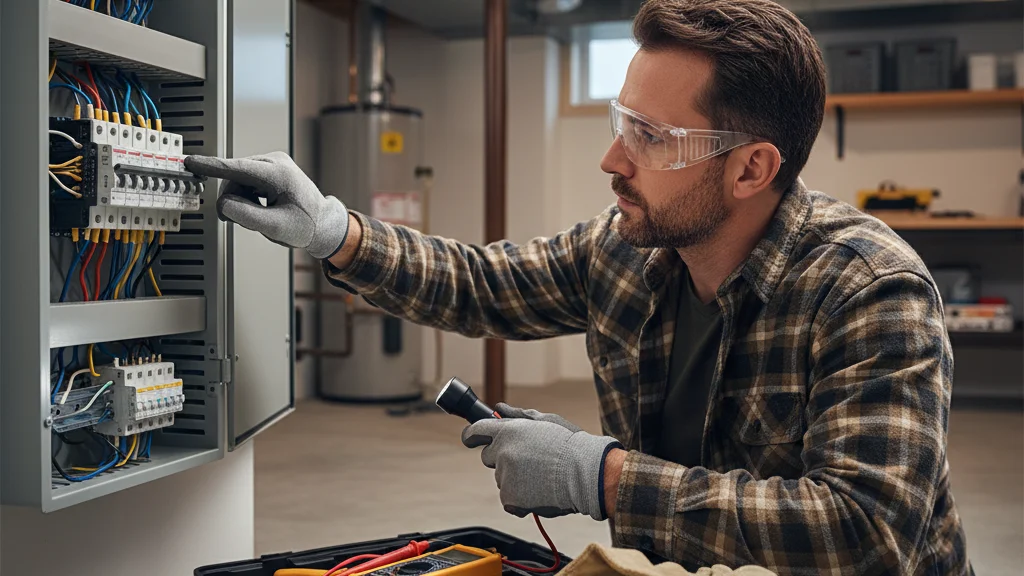
When to Call an Electrician
You should contact a licensed electrician if:
- The breaker trips immediately every time you reset it
- You notice burning smells, scorch marks, or buzzing sounds
- The problem affects multiple circuits
- You cannot identify the cause after basic troubleshooting
- The panel is old or has not been inspected in several years
- You have any doubt about what you are dealing with
Electrical work is not an area where guesswork pays off. The consequences of getting it wrong are severe.
Get Help from a Trusted Local Electrician
If your circuit breaker keeps tripping and you cannot pin down the cause, the team at VeteranElectricKC is ready to help. Serving the Kansas City area, VeteranElectricKC provides thorough electrical diagnostics and repairs for homeowners who need answers, not guesswork. A licensed electrician can identify the root cause quickly and get your home's electrical system back to safe, reliable operation.
FAQ
Is it safe to keep resetting a tripping breaker?
Resetting a breaker once to see if it holds is generally safe. Repeatedly resetting it without identifying the cause is not. Each trip is the breaker doing its job to prevent damage or fire. If it trips more than once after a reset, stop resetting it and investigate or call an electrician.
Can a faulty appliance cause my breaker to trip?
Yes. A malfunctioning appliance with a short circuit or damaged wiring inside it can draw excessive current or create a ground fault, causing the breaker to trip whenever that appliance is in use. Test by unplugging the suspected appliance and seeing if the issue stops.
How do I know if I need a new breaker or new wiring?
This is difficult to determine without professional testing equipment. A tripping breaker can indicate a problem with the breaker itself, the wiring it protects, or the devices connected to it. An electrician can use load testing and diagnostic tools to pinpoint exactly where the fault lies and recommend the right fix.


